Challenges of Collaborating with International Teams
By Karina Urbina | Published on September 2, 2024

My experience collaborating with international teams began when I participated in my first international hackathon, which brought together students from Colombia and Costa Rica. This event was held as part of the Project Management course I took in my third year of Computer Engineering at the Tecnológico de Costa Rica. The hackathon lasted around two and a half months and represented a rewarding yet challenging experience for me, as I had never taken part in such an event before.
About the Hackathon
The hackathon was conducted in two phases. In the first phase, students from both countries were organized into teams simulating departments within a company. These areas included general management, marketing, logistics, technology, administration, and human talent. Each team was responsible for coordinating key aspects of the event, such as communication, follow-up plans, defining requirements, and setting the scope of the hackathon.
In the second phase, new teams were formed, this time with Colombian students from different subjects. The main goal of this stage was to develop minimum viable products (MVPs) that addressed issues in the tourism sector of both countries, using innovative technologies and aligning with the Sustainable Development Goals.
Challenges Faced and Lessons Learned
1. Team Communication
During phase 1, I was part of the General Management team. However, communication within the team was a significant challenge. Cultural differences and a lack of familiarity among members made interaction difficult and made me feel somewhat disconnected, as I couldn’t participate actively or be considered for some tasks.
In phase 2, although the experience was better, we also faced communication challenges. Time zone differences, availability, and academic workload made it hard to schedule meetings. This caused delays and disagreements in decision-making, such as choosing the challenge and defining roles. Despite these obstacles, we managed to develop strategies to improve the team's communication and organization.
2. Technological Incompatibilities
Another major challenge during phase 2 was the incompatibility of some technological resources. One team member had issues using Android Studio, which affected the progress of our solution. After reviewing and adjusting the software, we minimized the impact and moved forward with the project.
3. Differences in Technical Skills
The diversity in the team’s technical skills led to disagreements regarding ideas proposed for the selected challenge. While some had experience in web development, others were more skilled in mobile app development. This difference caused delays in decision-making and task execution, as we couldn’t easily find common ground.
In the end, we reached an agreement by evaluating the most favorable options for everyone, so we chose to develop a mobile application. We used a similar project previously created by one of the team members as a foundation, which allowed us to make better progress.
Tips for Collaborating with International Teams
- Get to know your team: Something as simple as knowing your teammates’ interests or hobbies can make a big difference in team dynamics. An initial meeting to share expectations and personal topics is crucial for understanding each other's strengths and skills.
- Establish clear communication channels: It's essential to define the official communication tools from the beginning—such as Slack, Microsoft Teams, or WhatsApp— and ensure that everyone uses them effectively. It’s also important to schedule meetings that respect each member’s time zone and keep everyone informed.
- Document everything: Documentation is key in projects where communication can be a challenge. Tools like Notion help organize and record decisions, progress, and important changes, making sure all team members are aligned and can access information at any time.
- Promote inclusion and active participation: In a multicultural team, some members may be more reserved or find it hard to express their ideas due to cultural or language differences. Creating an environment where everyone feels comfortable sharing their thoughts and contributions is key to a project's success. This includes asking open-ended questions, giving everyone space to speak, and valuing each member's input.
- Be flexible and adaptable: Some decisions or approaches may not be everyone's favorite, but it's important to keep an open mind and be willing to adapt in order to overcome obstacles and move the project forward.
- Manage time effectively: It's important to assign tasks with realistic deadlines and ensure that all team members understand and can meet their responsibilities. Tools like Trello, Asana, or Jira can be very helpful in tracking progress and keeping the team organized.
For more information about the hackathon, check out the following links:
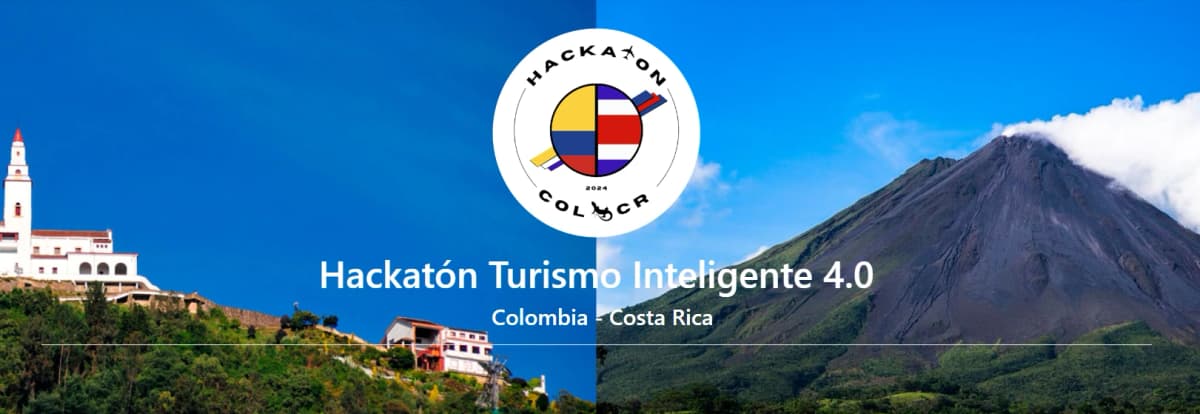
International Hackathon
Creative minds from Colombia and Costa Rica join forces to innovate and propose solutions for tourism challenges in both countries.
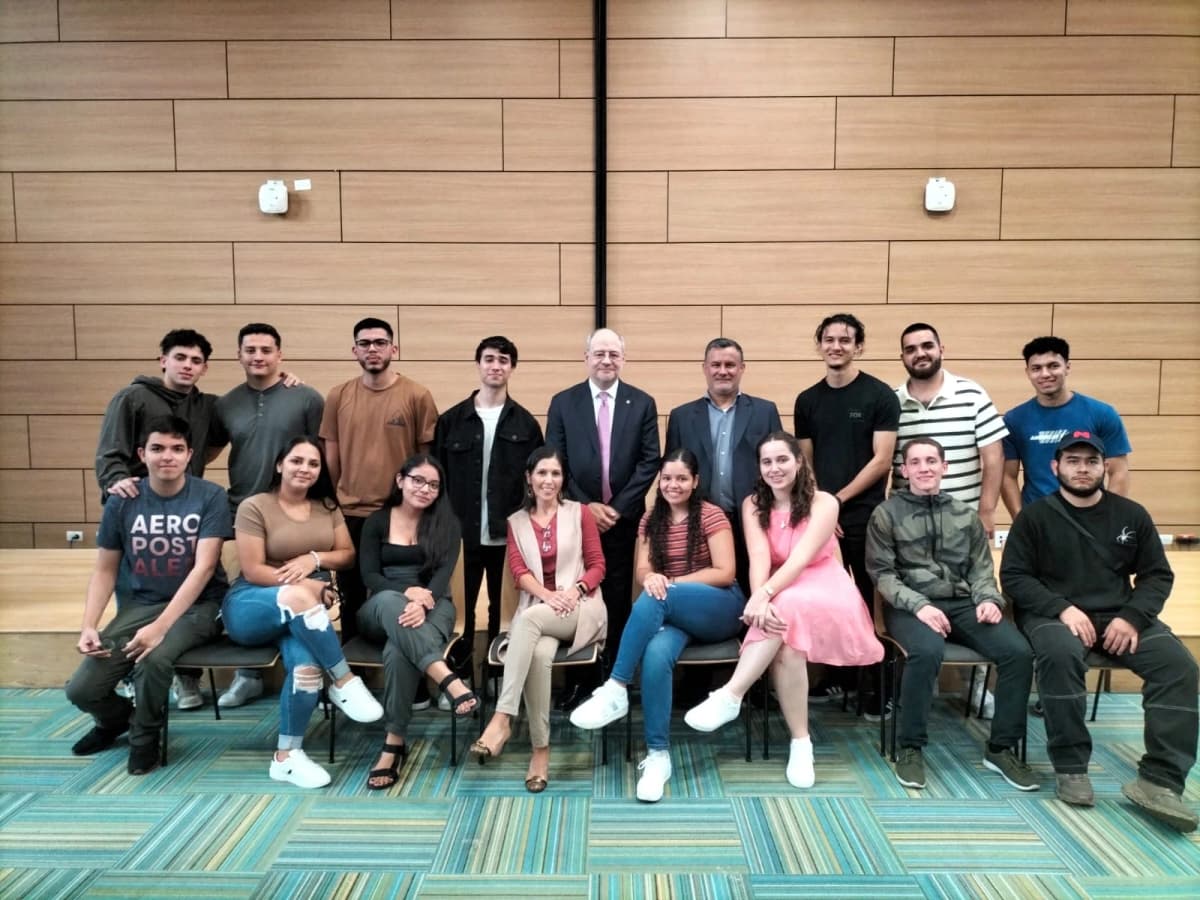
Academic Tour to Colombia
TEC students explore the Javeriana University and participate in engineering-related activities.